
How Your Inner Ecosystem Shapes Mood, Cognition, and Emotional Resilience
Ever had a gut feeling you couldn’t explain? Or felt butterflies in your stomach before a big moment? These expressions aren’t just poetic metaphors—they’re biological signals. Beneath them lies a sophisticated communication network that links your digestive system and your brain in constant dialogue.
This relationship, known as the gut-brain axis, is rapidly reshaping how scientists, clinicians, and wellness practitioners understand mental health. Anxiety, depression, stress resilience, and even cognitive clarity may be influenced not only by thoughts and experiences, but by the state of your gut.
At Medal Mind, we explore mental wellness through systems rather than symptoms. The gut-brain connection represents one of the most compelling systems-level insights of modern neuroscience—and one with practical implications you can apply today.
The Big Picture: What Is the Gut-Brain Axis?
The gut-brain axis is a bidirectional communication network linking the central nervous system (the brain and spinal cord) with the enteric nervous system, which governs the gastrointestinal tract. Often referred to as the body’s “second brain,” the enteric nervous system contains over 100 million neurons—more than the spinal cord itself.
Communication along this axis happens through several key channels:
- The vagus nerve, a primary information highway between gut and brain
- Neurotransmitters and neuropeptides produced in the gut
- Immune signaling molecules, including cytokines
- Metabolic byproducts created by gut microbes
This means the gut doesn’t merely digest food—it senses, responds, and communicates. And the brain listens.
Meet the Microbiome: Trillions of Tiny Influencers
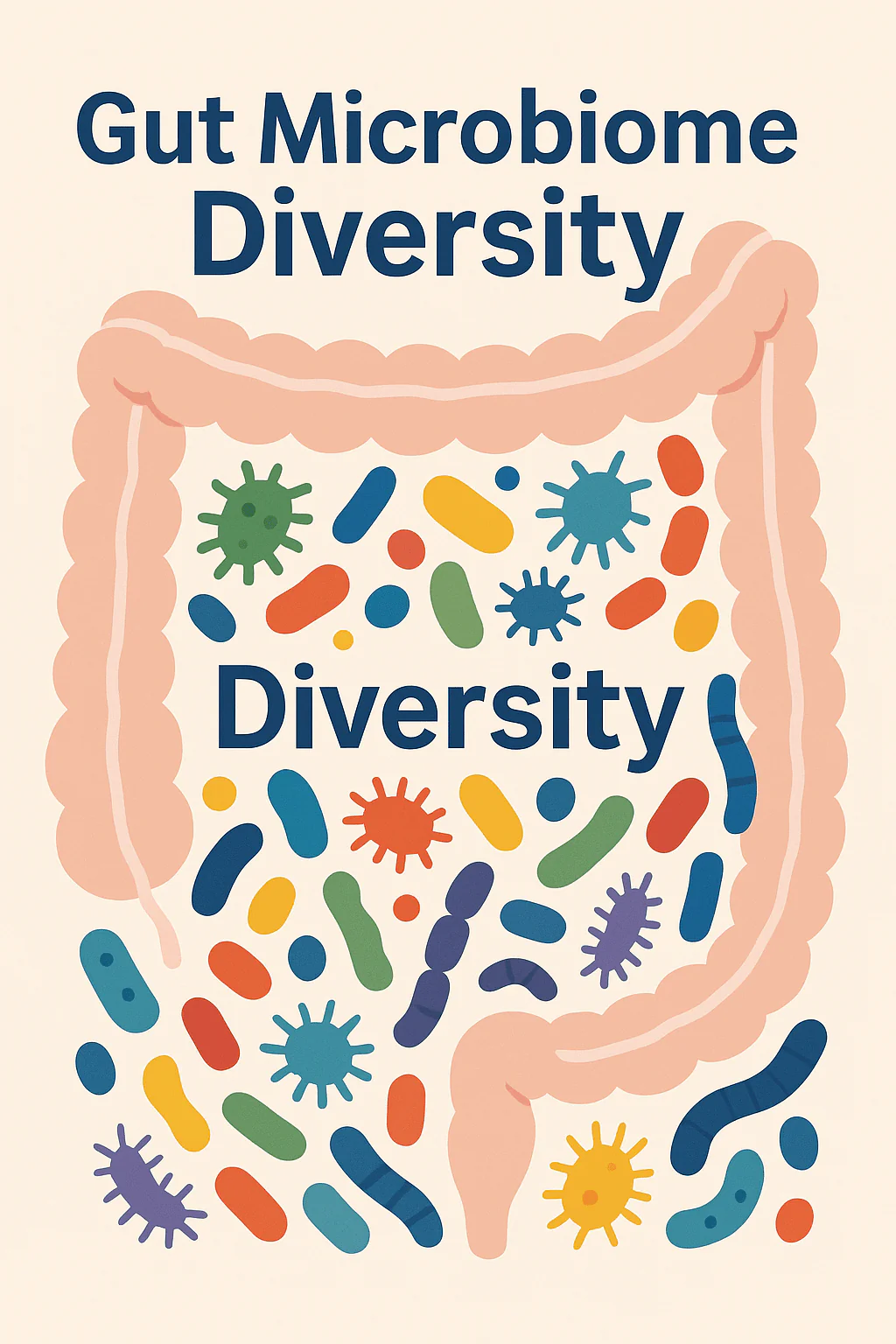
Living inside your gut are trillions of microorganisms, collectively known as the gut microbiota. These bacteria, fungi, and viruses form a dynamic ecosystem that plays a central role in digestion, immunity, and—crucially—mental health.
One of the most striking discoveries in recent decades is that the gut microbiome produces or regulates many of the same chemicals used by the brain, including:
- Serotonin (mood regulation)
- Dopamine (motivation and reward)
- GABA (calming and anxiety reduction)
- Short-chain fatty acids (anti-inflammatory and neuroprotective)

In fact, approximately 90–95% of the body’s serotonin is produced in the gut, not the brain. While much of this serotonin acts locally in digestion, it strongly influences systemic signaling, immune function, and vagal nerve activity—all of which affect mood and emotional regulation.


What the Research Shows: From Mice to Mental Health
The scientific interest in the gut-brain axis accelerated after landmark animal studies revealed a startling link between microbiota and behavior.
A widely cited 2011 study published in Gastroenterology demonstrated that mice with altered gut microbiomes exhibited significantly higher anxiety-like behaviors. When researchers transferred healthy microbiota into these mice, stress responses normalized. Behavior changed—not through learning or therapy—but through microbial modulation.
Human research soon followed.
A 2017 meta-analysis published in General Psychiatry found that individuals consuming specific probiotic strains experienced measurable reductions in symptoms of anxiety and depression. These improvements were associated with reduced inflammation and improved stress regulation rather than placebo effects alone.
While human psychology is far more complex than animal models, the pattern is consistent: gut health influences emotional states, especially under chronic stress.
Neurotransmitters, Explained Simply
The gut-brain connection influences mental health through several overlapping mechanisms, the most important being neurotransmitter regulation.
Serotonin
Often associated with happiness and emotional stability, serotonin is critical for mood balance. Gut dysbiosis—an imbalance in microbial populations—can impair serotonin signaling and contribute to depressive symptoms.
GABA
Gamma-aminobutyric acid (GABA) is the brain’s primary inhibitory neurotransmitter, essential for calming neural activity. Certain gut bacteria directly produce GABA, meaning microbiome composition can influence anxiety levels.
Dopamine
Dopamine affects motivation, focus, and reward-seeking behavior. Gut inflammation and microbial imbalance can indirectly alter dopamine signaling, contributing to fatigue and emotional blunting.
Together, these systems illustrate a powerful insight: mental health chemistry is not confined to the skull.
Inflammation: The Hidden Link Between Gut and Mood
Chronic, low-grade inflammation is increasingly recognized as a contributor to depression, anxiety, and cognitive decline. The gut plays a central role in this process.
When the gut barrier is compromised—sometimes referred to as “leaky gut”—inflammatory molecules can enter the bloodstream. These molecules can cross the blood-brain barrier, triggering neuroinflammation, which disrupts neurotransmitter balance and stress regulation.
This inflammatory pathway helps explain why conditions such as irritable bowel syndrome (IBS), autoimmune disorders, and chronic stress frequently co-occur with mood disorders.
Mental health, in many cases, may be as much an immune issue as a psychological one.
Cultural Context: Why Gut Health Is Everywhere Now
The surge of interest in gut health isn’t confined to academic journals. It’s visible in mainstream culture—from probiotic supplements to fermented foods and “microbiome-friendly” diets.
What’s particularly interesting is how modern science is validating ancient wisdom:
- Ayurvedic medicine emphasized digestive balance as foundational to mental clarity
- Traditional Asian diets relied heavily on fermented foods
- Mediterranean eating patterns promoted fiber, diversity, and microbial nourishment
Today’s research reframes these traditions through the lens of neuroscience and immunology, bridging culture and science in a way that feels both new and familiar.
Practical Implications for Mental Health
The implications of the gut-brain connection are profound.
Rather than treating mental health solely through talk therapy or medication, a systems-based approach may include dietary and lifestyle interventions designed to support gut health alongside conventional care.
Emerging strategies include:
- Diets rich in fiber, polyphenols, and fermented foods
- Reducing ultra-processed foods that promote inflammation
- Targeted use of psychobiotics (probiotics shown to influence mood)
- Stress management practices that support vagal tone, such as breathwork
It’s important to emphasize: this is not about replacing mental health treatment. It’s about expanding the toolkit.
A credible overview of how gut health intersects with mental health can be found through the National Institute of Mental Health, which discusses inflammation and brain-body pathways in mood disorders:
https://www.nimh.nih.gov/health/topics/depression
What This Means for Personal Development
From a Medal Mind perspective, the gut-brain axis reinforces a core principle: mental performance is embodied.
Your focus, emotional regulation, and resilience are influenced by sleep, nutrition, stress, and internal biology—not just mindset. Optimizing mental health therefore becomes less about forcing positivity and more about aligning systems.
Small changes compound:
- Improving dietary consistency
- Supporting microbial diversity
- Reducing chronic stressors
- Paying attention to bodily signals rather than suppressing them
Mental clarity often follows physiological alignment.
A Balanced Takeaway
The gut-brain connection is not a cure-all, nor should it be oversimplified. Mental health is multifactorial—shaped by genetics, environment, experience, and biology.
But the evidence is clear: the gut is an active participant in mental health, not a passive bystander.
By acknowledging this connection, we move toward a more integrated understanding of wellness—one that respects both mind and body as parts of a single, adaptive system.
The next time you experience a gut feeling, pause. It may be more than intuition. It may be biology speaking.
For more mental health and wellness resources visit our eBooks page.



Leave a Reply