
Introduction
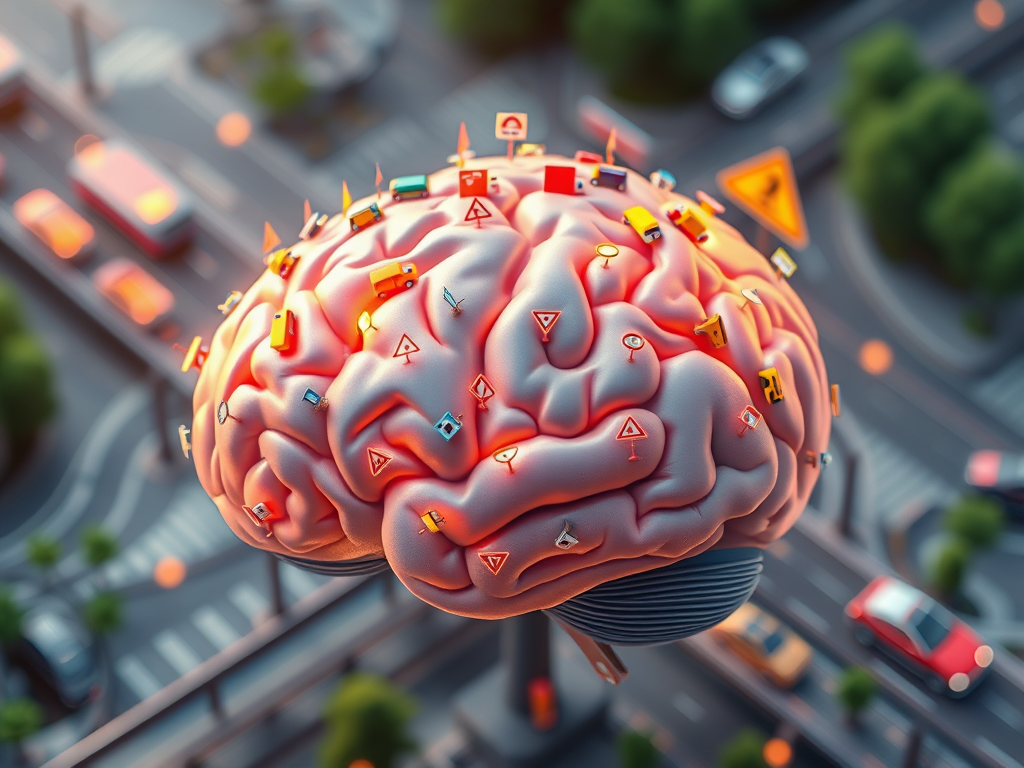
Imagine your brain as a vast network of highways. Each thought, skill, or memory is like a vehicle traveling these roads. Sometimes a detour is necessary, or a new highway must be built to accommodate changing traffic. Welcome to the amazing world of neuroplasticity—the brain’s ability to restructure and adapt. This concept is revolutionizing how we understand learning and personal development.
But how does this actually work? And what does cutting-edge research say about this powerful neurological flexibility?
What is Neuroplasticity?
Neuroplasticity, or brain plasticity, is the brain’s capacity to change its structure and function in response to learning, experience, or injury. It helps explain how we learn new skills, recover from injuries, and even change behaviors.
For a long time, scientists believed the brain stopped changing after childhood. But modern research shows the brain remains adaptable throughout life. That means you’re never too old to learn something new or rewire your thinking.
Neuroplasticity can be categorized into several types, including structural plasticity (the brain’s ability to physically change its structure) and functional plasticity (the brain’s ability to move functions from damaged areas to undamaged areas). These processes are not only essential for normal brain development but are also critical for adapting to new situations and experiences.
How It Works: The Science Behind Neuroplasticity
Neuroplasticity operates through two main mechanisms:
Synaptic Plasticity
This process strengthens or weakens the synapses—connections between neurons. Long-term potentiation (LTP) strengthens these connections through repetition and learning. Long-term depression (LTD) weakens unused connections, allowing the brain to prune inefficient pathways.
Synaptic plasticity is most active during early development but continues throughout life. This mechanism allows the brain to adapt to new information, develop skills, and even compensate for injury. It’s the reason why practice and repetition are so crucial in mastering new skills—whether it’s learning a musical instrument or acquiring a new language.
Cortical Remapping
This occurs when the brain reorganizes itself after an injury or in response to learning. For instance, stroke patients often show recovery by using different brain areas to perform functions previously handled by damaged regions.
A famous study by Dr. Eleanor Maguire revealed that London taxi drivers, known for their memorization of city streets, had larger hippocampi—regions of the brain associated with memory and navigation. This is a powerful example of the brain adapting structurally to cognitive demands.
Additionally, experiments with amputees have shown that neighboring areas in the sensory cortex can take over the function of the missing limb area, leading to phenomena such as phantom limb sensation. These findings further reinforce how flexible and dynamic the brain truly is.
Real-World Applications
In Education
Educators now design learning environments that harness neuroplasticity. Strategies like personalized learning, active recall, and spaced repetition optimize brain adaptability. Carol Dweck’s ‘growth mindset’ approach encourages students to believe in their capacity to improve—fueling their brain’s plastic potential.
The adoption of neuroplastic-friendly methods, such as project-based learning, peer collaboration, and experiential education, can lead to deeper engagement and better retention. Teachers who understand neuroplasticity can better support diverse learning needs and developmental paces.
In Work and Skill Building
Workplaces that encourage continual learning and mental flexibility see better problem-solving and innovation. Practicing new skills, switching tasks, and embracing challenge all help keep the brain adaptive.
Cross-training employees, rotating roles, and encouraging creative problem-solving are strategies that benefit both the organization and the individual’s cognitive resilience. Learning on the job doesn’t just improve performance—it actively reshapes the brain to become more agile and efficient.
In Mental Health and Therapy
Cognitive Behavioral Therapy (CBT) leverages neuroplasticity to reshape thought patterns. Patients literally rewire their brains by forming new, healthier neural pathways.
This principle underlies many modern mental health treatments, including mindfulness and meditation practices. These approaches can increase gray matter density in areas related to attention, emotion regulation, and self-awareness, proving that mental exercises can physically change brain structure.
In Rehabilitation
Techniques like constraint-induced movement therapy (CIMT) use neuroplasticity to recover lost motor skills in stroke patients by forcing the brain to develop alternative pathways.
Emerging technologies like virtual reality, brain-computer interfaces, and neurofeedback are being integrated into rehabilitation programs to accelerate recovery. These methods stimulate brain areas in ways that mimic real-life tasks, thereby promoting functional brain reorganization.
Everyday Habits to Boost Brain Plasticity
You don’t need to be recovering from injury or mastering a complex skill to benefit from neuroplasticity. Here are some accessible ways to stimulate your brain every day:
- Learn a new language: Multilingualism is associated with increased gray matter in the brain and delayed cognitive decline.
- Play a musical instrument: Music training enhances memory, coordination, and auditory processing.
- Stay physically active: Exercise boosts brain-derived neurotrophic factor (BDNF), which supports neuron growth and connectivity.
- Try new experiences: Traveling, trying new foods, or learning new hobbies all challenge the brain to adapt.
- Get quality sleep: Deep sleep is when the brain consolidates learning and clears out waste—essential for long-term plasticity.
Why It Matters
Understanding neuroplasticity can dramatically shift how we approach personal growth. Whether you’re learning a new language, trying to break a habit, or recovering from an injury—your brain is capable of rewiring itself to meet the challenge.
It also empowers individuals and educators to create more inclusive, personalized, and effective learning environments. In therapy and rehabilitation, neuroplasticity offers hope and proven strategies for healing. And in everyday life, it reminds us that we are always capable of change.
Key Takeaway
Your brain is not fixed—it’s flexible, adaptable, and constantly evolving. By engaging in new experiences, learning consistently, and challenging your mind, you can build new pathways and unlock untapped potential.
The next time you’re faced with a mental roadblock or a new challenge, remember: your brain is already equipped to pave a new road. Neuroplasticity makes transformation not just possible—but inevitable.
For more mental health and wellness resources visit our eBooks page.




Leave a Reply