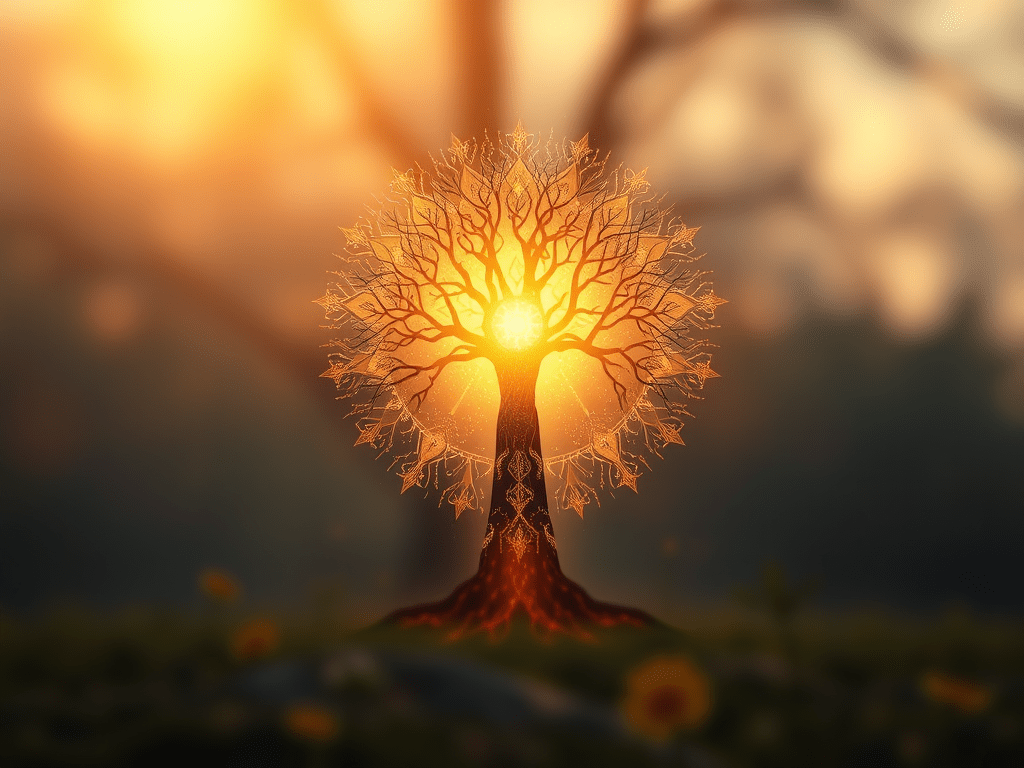
The Self and The Fragmented Self
The Self is the central archetype in Carl Jung’s theory of the collective unconscious. It represents wholeness, integration, and the harmony of all aspects of the psyche. Jung described the Self as the unifying center that brings together conscious and unconscious elements, providing a sense of completeness and individuality. Unlike the Ego, which governs the conscious mind, the Self exists beyond the conscious level, embodying both the light and shadow aspects of one’s psyche.
Conversely, the Fragmented Self arises when an individual loses touch with this integrative core. Fragmentation can occur due to trauma, repression, or societal pressures that force people to suppress parts of themselves. While the Self seeks unity, the Fragmented Self reflects division, imbalance, and inner conflict.
The Self: Wholeness and Integration
The Self, as described in Jungian psychology, represents the totality of the psyche. It is the culmination of conscious awareness, the unconscious mind, and the potential for integration and wholeness. Unlike the ego, which is the center of conscious identity, the Self transcends the individual and symbolizes a unified, balanced state of being.
The Self archetype appears in myths, religious symbols, and stories as images of completeness: the mandala, the tree of life, or a radiant sun. It often manifests through dreams, visions, or transformative life events, guiding individuals toward individuation—a process of self-realization where one’s unique purpose and full potential are brought into harmony.
When a person is attuned to their Self, they experience a sense of inner alignment. This state is characterized by authenticity, integration, and transcendence. Alignment with the Self allows one to live per one’s true nature and values, creating a harmonious balance within the psyche between light and shadow. Additionally, connection to one’s Self often fosters feelings of connectedness to something greater than the individual, often expressed through spirituality, creativity, or service.
The Fragmented Self: A Psyche Divided
The Fragmented Self archetype emerges when the unity of the psyche is disrupted. This division often occurs as a result of unresolved trauma, cultural or familial expectations, or the suppression of key aspects of the psyche, such as the Shadow or Anima/Animus.
Fragmentation is marked by disconnection: from oneself, from others, and from the world. Pieces of the psyche remain isolated, resulting in inner conflict and a loss of meaning. This archetype is expressed in myths and literature as the broken hero, the scattered soul, or the wounded wanderer.
Fragmentation of the self often arises from various causes, such as emotional or psychological trauma, which creates barriers to self-integration, and ego inflation, where over-identification with the ego neglects unconscious elements of the psyche. Cultural conditioning further exacerbates fragmentation by imposing societal pressures to conform, suppressing individuality and alienating one from their authentic Self. Additionally, the absence of transcendent values or purpose in life can leave individuals untethered and disconnected. Symptoms of a fragmented self manifest as inner conflict, marked by competing desires, values, or beliefs that create turmoil. Disconnection, both internal and external, fosters feelings of alienation and isolation. Unresolved aspects of the psyche may be projected onto others, distorting perceptions of relationships and the world. To cope with this void, individuals may turn to addictions or obsessions, seeking to fill the emptiness left by their disconnection from the Self.
The journey toward wholeness is an archetypal hero’s journey that involves several key steps. It begins with confronting the Shadow, where one acknowledges and integrates the repressed aspects of the psyche. This is often followed by reclaiming the Inner Child, revisiting and healing the unmet needs and traumas of the past. Another crucial step is balancing opposites, such as embracing the duality of masculine and feminine energies within oneself. Finally, connection to the transcendent plays a vital role, as individuals rediscover meaning through spirituality, creativity, or service. This process of integration is both cyclical and nonlinear, as engaging with one’s fragmentation gradually allows the archetypal Self to reveal itself through symbols, synchronicities, and moments of profound insight.
Prominent Examples
Throughout history, the Self has been symbolized by images of mandalas, sacred circles, and the “philosopher’s stone” in alchemy. These symbols represent the pursuit of integration and transcendence. For instance:
• Mandala designs in Hinduism and Buddhism illustrate the Self as a balanced and harmonious whole.

• In Christian mysticism, Christ symbolizes the archetype of the Self, representing both the human and divine united.

• The yin-yang symbol in Chinese philosophy mirrors the balance of opposites within the Self.
• Wholeness:
• Circles, light, or an alchemical union of opposites (coniunctio) symbolize the Self.
• Related Archetypes: The Sage, King/Queen, or Alchemist represent the achieved Self.
• Fragmentation:
• Shattered mirrors, labyrinths, or divided landscapes represent the fragmented self.
• Archetypes: The Orphan, Wounded Healer, or Trickster embody the struggle with disconnection.
In contrast, the Fragmented Self appears in myths and stories of disconnection or inner conflict. The tale of Narcissus, who becomes consumed by his reflection, demonstrates the loss of unity with deeper aspects of the psyche. Similarly, characters like Dr. Jekyll and Mr. Hyde illustrate the dangers of compartmentalizing one’s nature, where repression leads to chaos.
Modern psychological parallels include dissociative disorders, unresolved trauma, and identity struggles caused by conflicting societal roles.
Modern Issues
In today’s world, fragmentation of the Self is increasingly common. Technology, consumerism, and social media create environments where people are encouraged to curate external personas rather than connect with their authentic inner selves. The constant barrage of comparison and expectation fragments the psyche into isolated roles such as the professional persona, the social persona, and the private self. While the professional and social personas seek validation and acceptance, the private self represents the hidden parts of oneself that seek wholeness but are ignored or stifled.
This disconnection fosters anxiety, depression, and a sense of meaninglessness. Without a connection to the Self, individuals may feel lost, isolated, or stuck in repetitive patterns of avoidance and self-sabotage.
Application
To heal and integrate the Fragmented Self, individuals must consciously embark on a journey toward wholeness. Jung called this process individuation—the pursuit of becoming who one truly is. Here are actionable steps:
1. Acknowledge Your Shadow:
• Explore the parts of yourself that you avoid or dislike. Journaling, therapy, or creative expression can help uncover suppressed aspects of your psyche.
• Ask, “What am I afraid to admit about myself?” Accepting these parts is key to integration.
2. Cultivate Awareness:
• Practice mindfulness to become attuned to your thoughts, emotions, and actions. Meditation can help you observe internal conflicts without judgment.
3. Seek Symbols of Wholeness:
• Create or engage with mandalas, art, or practices that reflect balance. These symbols resonate deeply with the unconscious mind and guide you toward integration.
4. Embrace Authenticity:
• Identify where you feel pressured to conform to external roles or expectations. Gradually let go of these masks and express your true self.
• Express yourself creatively through art, music, and writing. Creativity can integrate hidden parts of the psyche
5. Connect with Transcendence:
• Develop a relationship with something larger than yourself, whether through spirituality, nature, or meaningful service. Transcendence anchors the Self in a sense of purpose.
• Engage in meaningful rituals to foster connection to the Self and others.
The journey from fragmentation to wholeness is the essence of human growth. The Self, though hidden, continually calls to us, offering guidance and light amidst the chaos.
In contrast, cultural symbols of wholeness—such as collective movements toward spirituality, environmental sustainability, or creative expression—reflect humanity’s striving for the archetype of the Self.
Conclusion
The journey from the Fragmented Self to the integrated Self is both challenging and rewarding. It requires facing fears, embracing imperfections, and shedding the layers of false identities. By aligning with the archetype of the Self, we can achieve a deeper sense of purpose, authenticity, and peace.
In our next article, we’ll explore The Shadow and The Light, diving into the dualities of darkness and illumination within the psyche. Together, these archetypes shape the path toward greater understanding and transformation.
 Medal Mind
Leave a comment